October 7, 2026
Discovering drainage issues in your yard can be frustrating, especially when new plants fail to thrive. A landscaping service can help property owners consider how planting areas, hardscape, and other outdoor features fit into the existing landscape. According to News.growcycle.com, in the U.S., the landscaping services industry was estimated at $188.8 billion in 2025 and employed more than 1.4 million people.
Persistent Puddling and Water Pools
Recognize Water Pooling
Water pooling can occur when excess surface water collects in areas of the landscape instead of moving away. Compacted soil, changes in elevation, and the way a property is arranged can all affect how water moves through an outdoor space. Persistent puddling can leave portions of a yard soggy or difficult to use and may indicate that a landscaping service should evaluate the area.
Consider Contributing Factors
Low areas and changes in elevation can influence where water collects after rainfall. Impermeable surfaces such as patios and driveways can also affect how runoff moves across a property. Observing where water tends to collect can provide useful information when considering landscape improvements or hardscape features.
Address Water Pooling
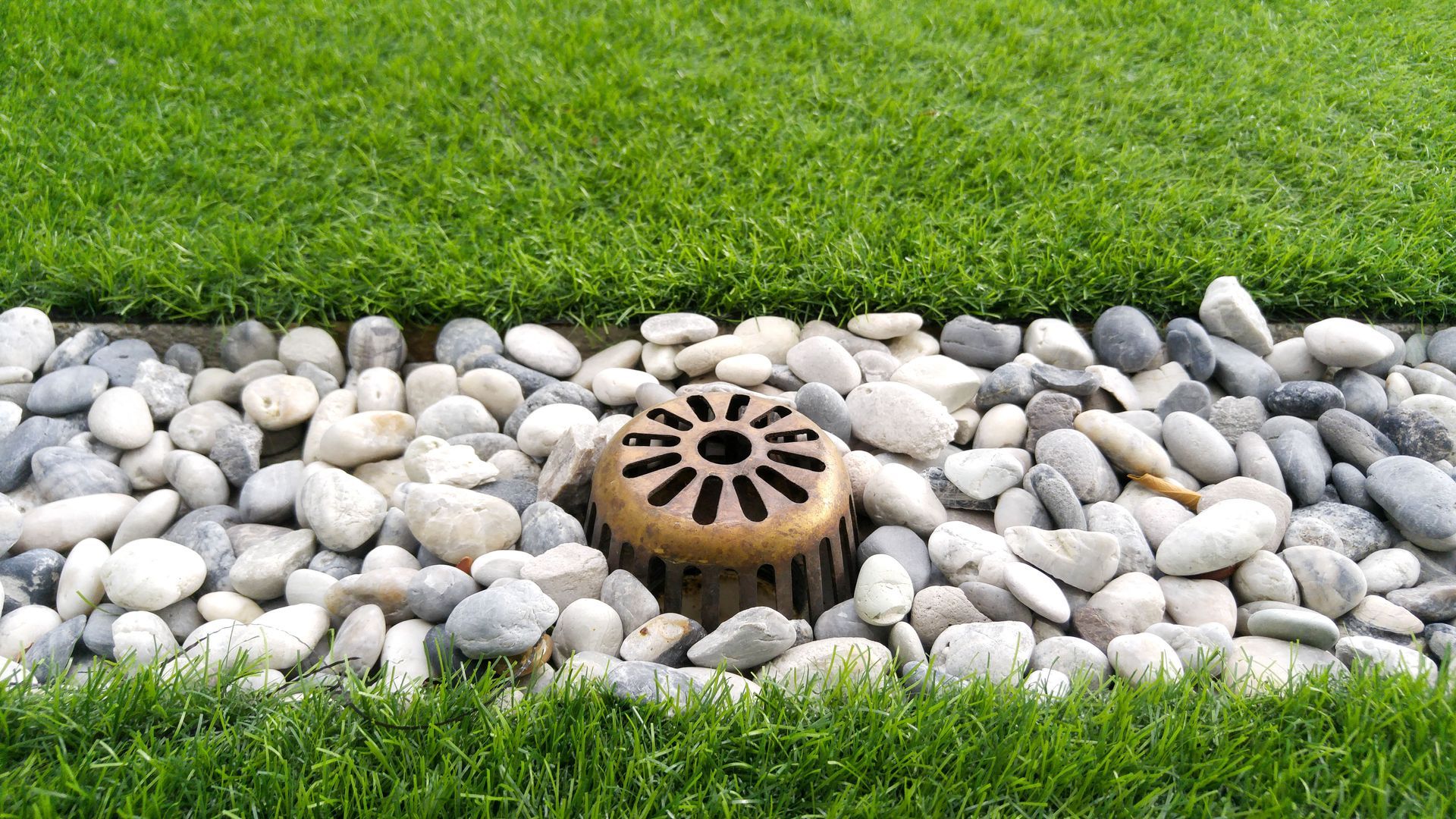
Addressing water pooling can involve evaluating how water moves across the landscape and considering improvements that help manage runoff. Hardscaping can play a role in drainage and erosion control when features are properly planned for the property. Retaining walls, graded walkways, and strategically placed stone features can help direct water flow and stabilize areas affected by runoff.
Waterlogged Soil and Plant Health
Notice Saturated Soil
Signs of waterlogged soil can include standing water in planting beds and areas that remain noticeably wet after rainfall. Plants growing in consistently saturated conditions may also show signs of stress, such as poor growth or changes in appearance. Recognizing these conditions can help property owners determine whether a landscaping service should consider changes to the planting area.
Observe Plant Changes
Changes in plant appearance can sometimes draw attention to problems with the surrounding growing conditions. When a planting area remains excessively wet, new plants may struggle to establish and existing plants may not perform as expected. Observing these changes alongside the condition of the soil can provide a clearer picture of what may be affecting the landscape.
Improve Landscape Function
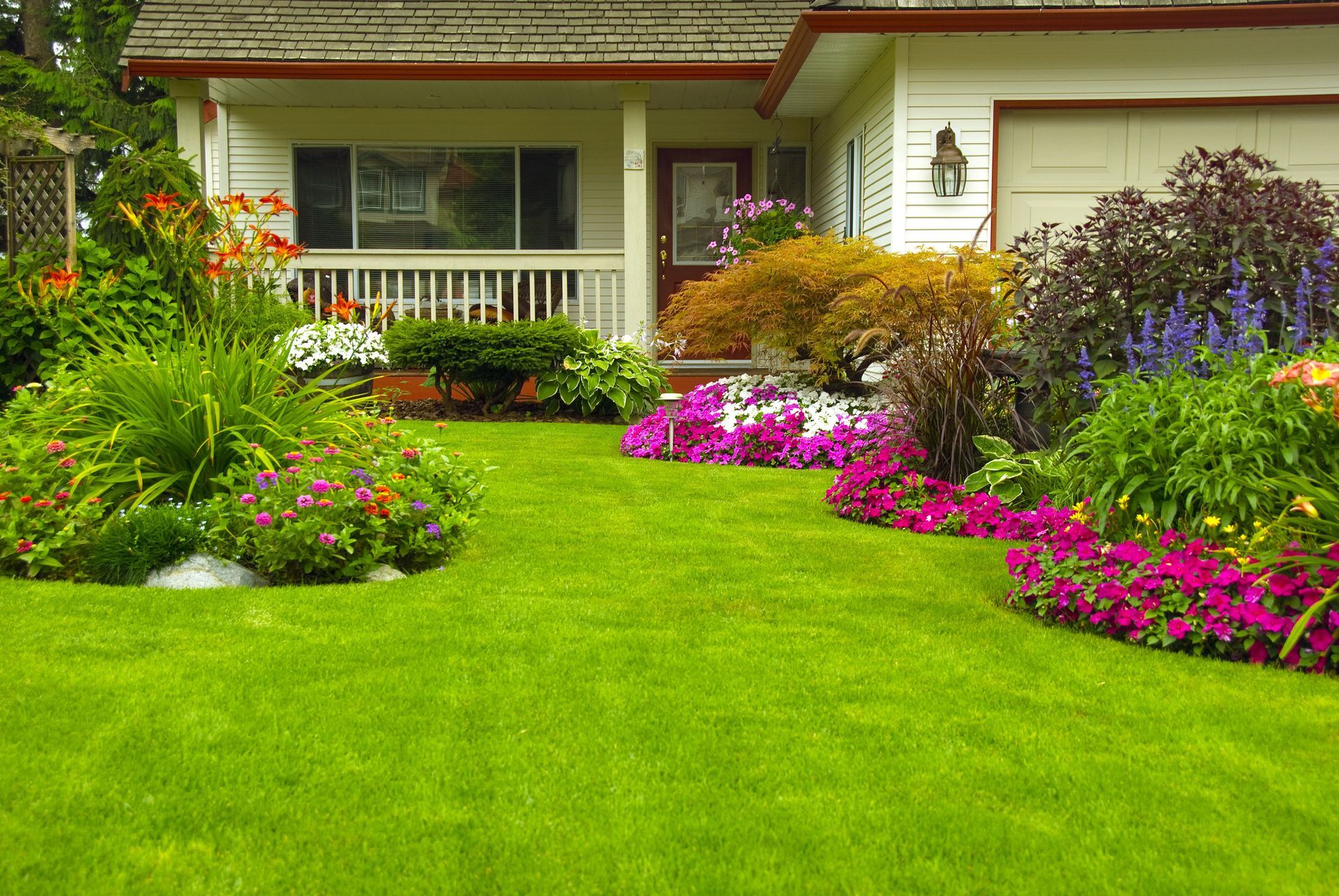
Improving a landscape does not always mean adding more plants. Garden design, planting, and hardscaping can work together to create outdoor spaces that are better suited to the property's existing conditions. Thoughtful planning can also help incorporate practical features while maintaining a cohesive appearance throughout the landscape.
Changing Water Flow Around Sloped Areas
Notice Water Flow Changes
Water movement across a sloped yard can affect both the appearance and function of the landscape. Areas where runoff collects or moves through the property may benefit from thoughtful landscape and hardscape planning. Paying attention to where water tends to collect after rainfall can help property owners identify areas that may need additional structure or improved water flow.
Consider Retaining Walls
Retaining walls can provide additional structure in areas with changes in elevation while also supporting drainage and erosion control. When incorporated into a landscape, these features can help stabilize soil and contribute to a more organized outdoor space. Their placement should complement the existing landscape and the way the property is used.
Plan Around Existing Conditions
Effective hardscape planning considers the property's layout, elevation changes, access points, drainage needs, and existing landscaping. Taking these factors into account can help create outdoor features that work with the surrounding landscape. This approach can provide practical improvements while maintaining a cohesive outdoor environment.
Persistent Swampy or Boggy Areas
Watch for Persistently Wet Areas
Spongy ground and areas that remain wet after rainfall can indicate that water is not moving through the landscape as expected. Consistently saturated areas may also become difficult to maintain or use. Noticing these conditions early can help property owners determine whether changes to the landscape may be appropriate and whether a landscaping service should be considered.
Identify Water Movement
The way water moves through a property can be influenced by slopes, existing landscape features, soil conditions, and hardscape. Areas where water repeatedly collects may benefit from evaluating the surrounding layout rather than simply adding more plants. Understanding these patterns can help guide decisions about future landscape improvements.
Refresh Problem Areas
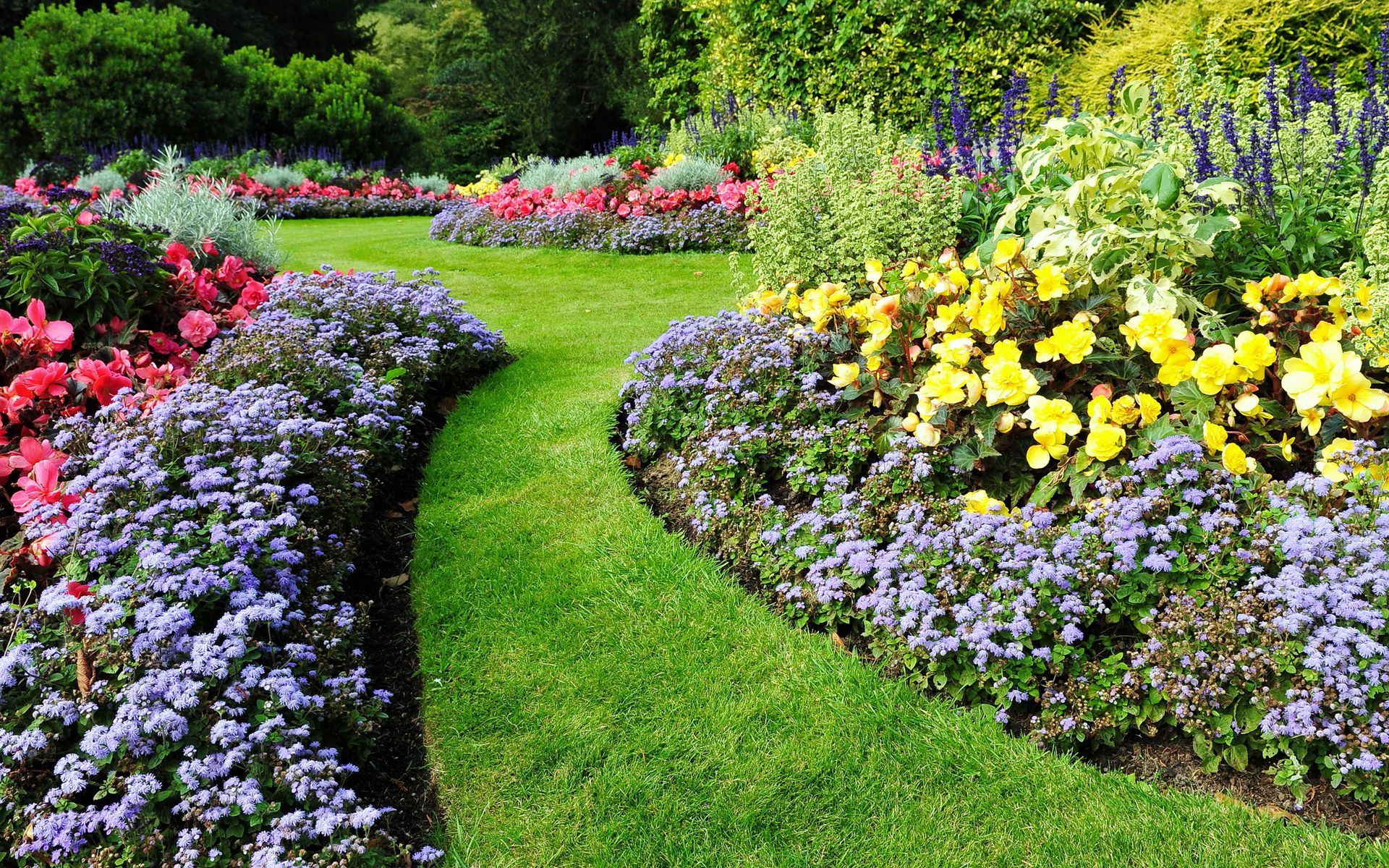
Changes to an existing landscape can provide an opportunity to improve both its appearance and function. Planting areas, garden beds, hardscape features, and other outdoor elements can be coordinated as part of a broader landscape plan. This can help create a more organized space while addressing specific concerns with water movement.
Visible Erosion and Soil Stability
Recognize Erosion Signs
Erosion can be visible through soil displacement, exposed roots, divots, or changes to the shape of a landscape. When water repeatedly moves across the same areas, it can carry soil with it and affect the stability and appearance of the property. Recognizing these changes can help property owners determine whether a landscaping service and additional landscape structure may be appropriate.
Consider Soil Conditions
Soil conditions can affect how water moves through a landscape and how well plants establish. Compacted soil, excessive runoff, and repeated water movement can all influence the condition of planting areas. Lawn aeration can help address compacted lawn soil, while landscape and garden maintenance can support the ongoing condition of planted areas.
Use Structured Features
Hardscaping can provide structure in areas where drainage and erosion are concerns. Retaining walls can help stabilize sloped areas, while strategically planned walkways and stone features can contribute to managing water flow. These features can also be incorporated into the broader landscape design so that practical improvements complement the appearance of the property.
Support Long-Term Stability
Long-term erosion control can involve incorporating hardscape features that help provide structure and manage water movement. Retaining walls, strategically placed stone features, and walkways can contribute to controlling runoff and supporting soil stability. Planning these features around the existing landscape can help create an outdoor space that is both functional and visually balanced.
Challenging Landscape Areas
Notice Recurring Maintenance Issues
Drainage concerns can affect more than plant health. Areas that repeatedly become muddy, eroded, or difficult to access may also make it harder to maintain and enjoy the property. If the same portions of a yard consistently present problems after rainfall, it may be useful to consider whether the overall landscape layout is contributing to the issue.
Evaluate Walkways and Patios
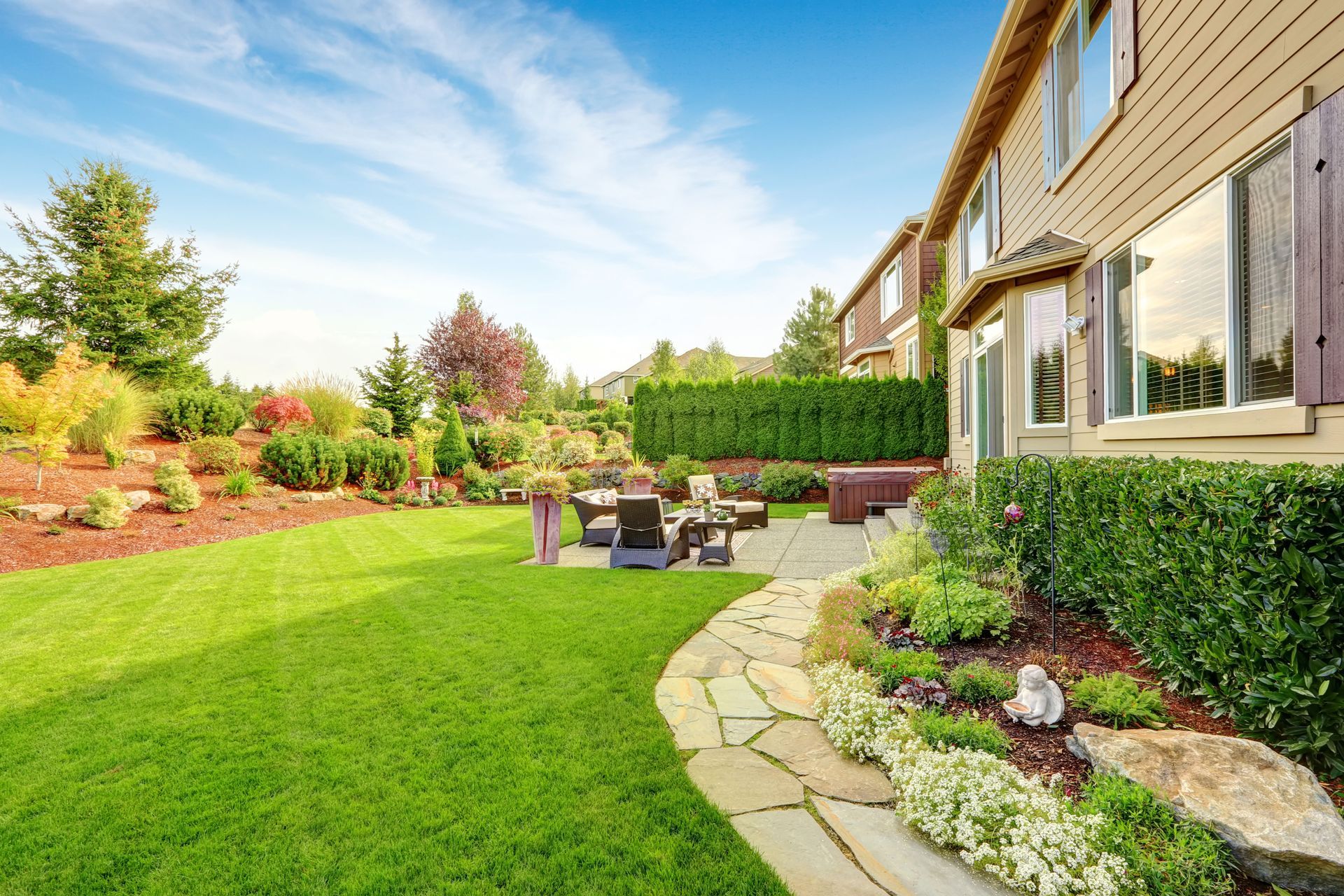
Hardscape features can help organize how people move through an outdoor space while contributing to its overall function. Walkways and patios can be incorporated into a broader landscape plan based on the property's layout and existing conditions. Considering these features alongside drainage and erosion concerns can help create a more cohesive outdoor area.
Plan for the Whole Property
Landscape improvements are most effective when individual features work together. Lawn care, planting, garden maintenance, hardscaping, and irrigation can each contribute to the condition and usability of an outdoor space. Looking at the property as a whole can help ensure that improvements address existing needs without overlooking how different landscape elements interact.
D & D Lawncare provides landscaping and hardscaping services for residential and commercial outdoor spaces, with options for addressing drainage and erosion concerns. Our services include retaining walls, patios, walkways, outdoor kitchens, fire pits and fireplaces, water features, driveways, and stone and brick installations, along with landscape design, planting, lawn care, irrigation, and seasonal maintenance. If your property needs improvements to better support water management or overall landscape function, learn more about how D & D Lawncare can help with a landscaping service.